Ready for a Change of Plans
Good preparation isn't about carrying everything. It's about being ready for the three things that most often derail a family beach day: the weather turning, someone getting lost or upset, and the water being rougher than it looked from the car park.
Pack for Sand, Shade and Changes
Shade and sun
Warmth and changes
Comfort and care
Tick boxes are just for you on this screen; nothing is saved or sent.
Read the Beach Before You Settle
On lifeguarded beaches in the UK and Ireland, flags tell you where and how to use the water. The RNLI's beach safety advice explains them in full; the essentials are below. Lifeguard cover is seasonal and time-limited, and many beaches have none at all.
| Flag | Meaning |
|---|---|
| Red and yellow | Lifeguarded area. The place for swimming, bodyboarding and using inflatables. |
| Black and white chequered | Zone for surfboards, kayaks and other craft. Do not swim or bodyboard here. |
| Red | Danger. Never go in the water. |
| Orange windsock | Offshore or strong winds. Never use inflatables. |
Inflatables: offshore winds can carry an inflatable and a child out to sea very quickly. Many families simply leave them at home.
Agree a Lost-Child Plan on Arrival
Busy beaches look alike from a child's height. As soon as you set up, point out something fixed and easy to spot, such as a lifeguard hut, a café or a distinctive rock, and agree that anyone who gets separated goes there and waits. Brightly coloured hats or swimwear make children easier to spot. Some families write a phone number on a wristband or on a child's arm in waterproof pen.
If a child goes missing, tell a lifeguard straight away if there is one. If not, call 999 and ask for the Coastguard if you think they may be near the water.
Respect Cold Water and Tides
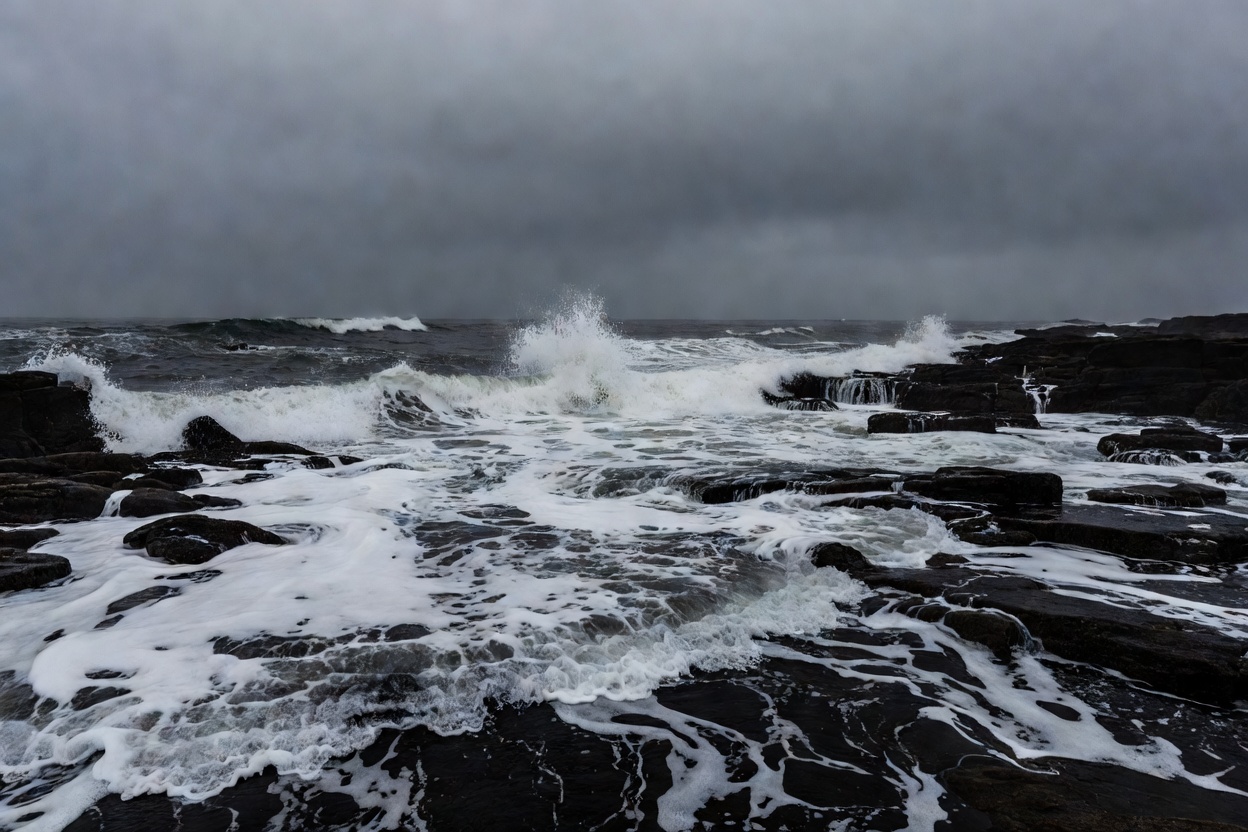
Sea temperatures around Britain and Ireland stay cool even in summer, and sudden immersion can cause cold water shock. The RNLI's Float to Live advice is worth teaching the whole family: if you get into trouble in the water, lean back, spread your arms and legs and float until you can control your breathing, then call for help or swim to safety.
Check tide times before heading out, especially on wide flat beaches and in coves that can be cut off. If you see someone in difficulty, don't go in after them: call 999 or 112, ask for the Coastguard and throw something that floats if you can.
Small Stings and Scrapes
Weever fish bury themselves in the sand in shallow water on some beaches in warmer months; a sting is very painful but lifeguards are used to treating them, often with hot water. Water shoes help. Jellyfish wash up on many shores; teach children not to touch them, even when they look dead. Barnacled rocks cause most cuts, so keep plasters and antiseptic wipes in the bag.
When you've packed, head to Day Plans to shape the trip, or check the Trip Answers.